
Hikers and outdoor adventurers
How Much Daylight Do I Have Left? Understanding Sunrise, Sunset, and Your Natural Day
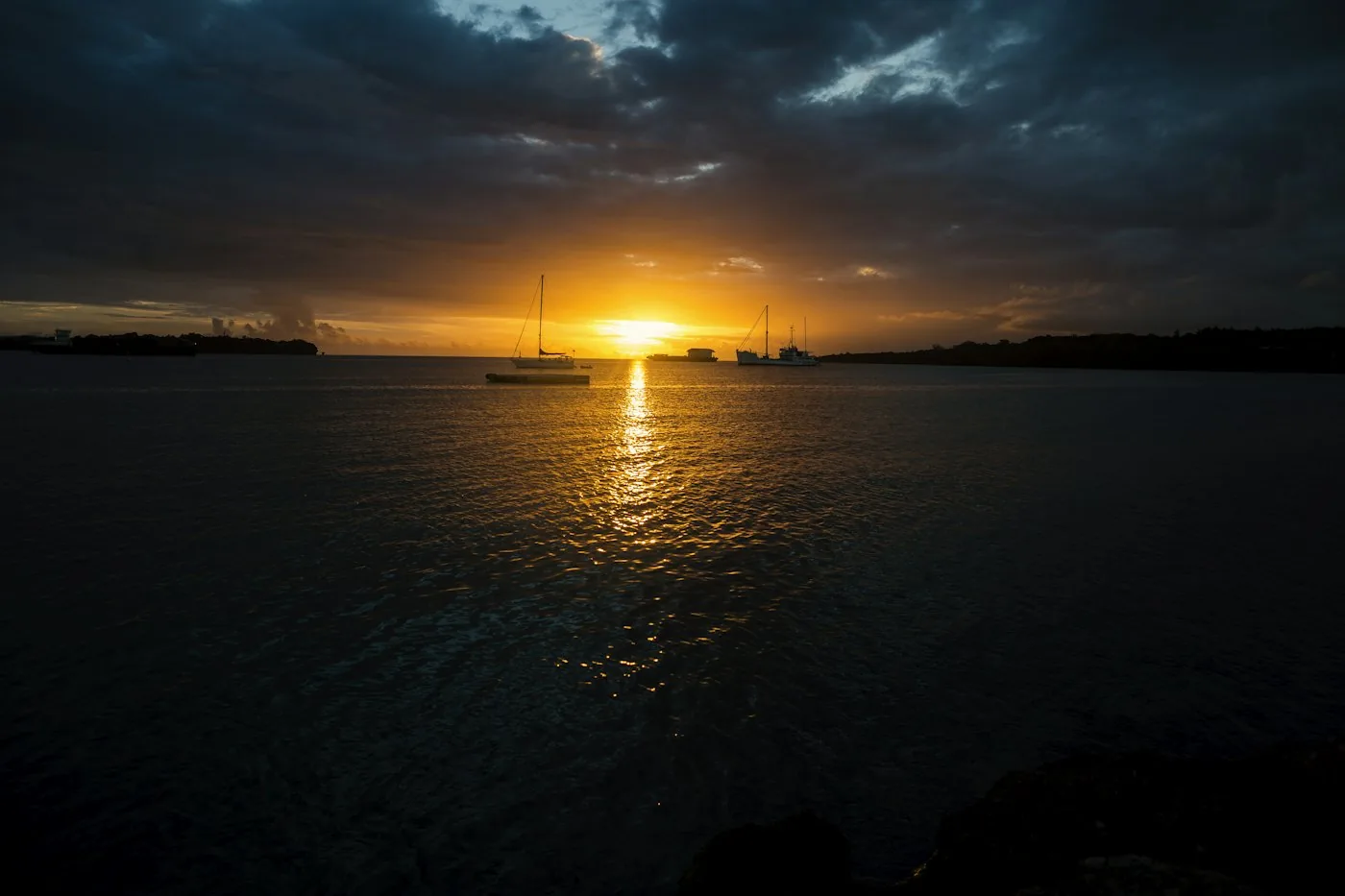
Short answer: the daylight you have left is the time between now and today's sunset at your exact location, plus a short window of twilight afterward. In much of the U.S., that twilight adds roughly 25 to 35 minutes of usable light. The rest of this guide explains how to read those numbers and why they change.
What "daylight left" actually means
Most weather apps show a single sunset time. That number marks the moment the top edge of the sun drops below a flat, unobstructed horizon. It's a useful anchor, but it isn't the whole story of your light.
Think of the end of the day as three stages:
- Direct sunlight — the sun is above the horizon. Shadows are crisp and the light is strongest.
- Civil twilight — the sun is between 0° and 6° below the horizon. The sky is still bright enough to see trail edges and terrain without artificial light.
- Nautical and astronomical twilight — the sun sinks further. Light fades quickly, and you'll want a headlamp.
So if sunset is at 6:12 PM and it's 3:40 PM, you have about 2 hours 32 minutes of direct sun, and roughly half an hour of twilight after that.
Why your location changes the answer
Sunset time depends on your latitude, your longitude within the time zone, and the date. Two towns in the same time zone can see sunset many minutes apart. A trailhead an hour's drive west of home may hold the light noticeably longer.
How daylight changes through the year
Earth's axis is tilted about 23.4°. As Earth orbits the sun, that tilt changes how long each place spends in sunlight.
- In Las Vegas, the shortest day of the year has roughly 9 hours 40 minutes of daylight. The longest has about 14 and a half hours.
- Day length changes fastest around the March and September equinoxes, when sunset can shift by more than a minute per day.
- Around the solstices, the change slows to just seconds per day.
That's why autumn hikers often get caught out: in late September and October, the evening light disappears faster each week than people expect.
The early-sunset surprise
At mid-northern latitudes, the earliest sunset comes in early December, not on the winter solstice. The latest sunrise arrives in early January. The cause is a small mismatch between clock time and solar time, known as the equation of time. In practice, it means late-afternoon hikes in December are the tightest of the year.
Terrain: the hidden variable
Official sunset assumes you can see all the way to the horizon. On the trail, you rarely can.
- Canyons can put you in shade an hour or more before sunset.
- East-facing slopes lose direct sun earlier in the afternoon.
- Dense forest dims the light well before the sky itself darkens.
A good habit: treat the official sunset as the latest the sun could possibly reach you, not a promise that it will.
A simple daylight check before you head out
- Look up today's sunset for the trailhead, not your home address.
- Work out your turnaround time. Leave enough time to get back with margin to spare. Many hikers plan to be at the trailhead before sunset, using twilight only as a buffer.
- Account for terrain. If your return route runs through a canyon or along an east-facing slope, move your turnaround earlier.
- Pack light anyway. A headlamp weighs almost nothing and covers the unexpected.
Solunex™ is a visual reference for natural time. It isn't a navigation or safety tool. Always check official forecasts, park alerts, and local conditions before you go.
Seeing your daylight instead of calculating it
The problem with a list of times is that you have to do the math. Solunex™ draws your day as a single dial. The solar ring shows daylight and darkness as one continuous arc, with sunrise, solar noon, and sunset marked for where you are. You can see at a glance how much of the light arc is left.
Because the web preview lets you choose any city in the world, you can check the light at a destination before you travel there.