
Astronomy and nature enthusiasts
Understanding Moon Phases: What You'll See in the Sky Tonight
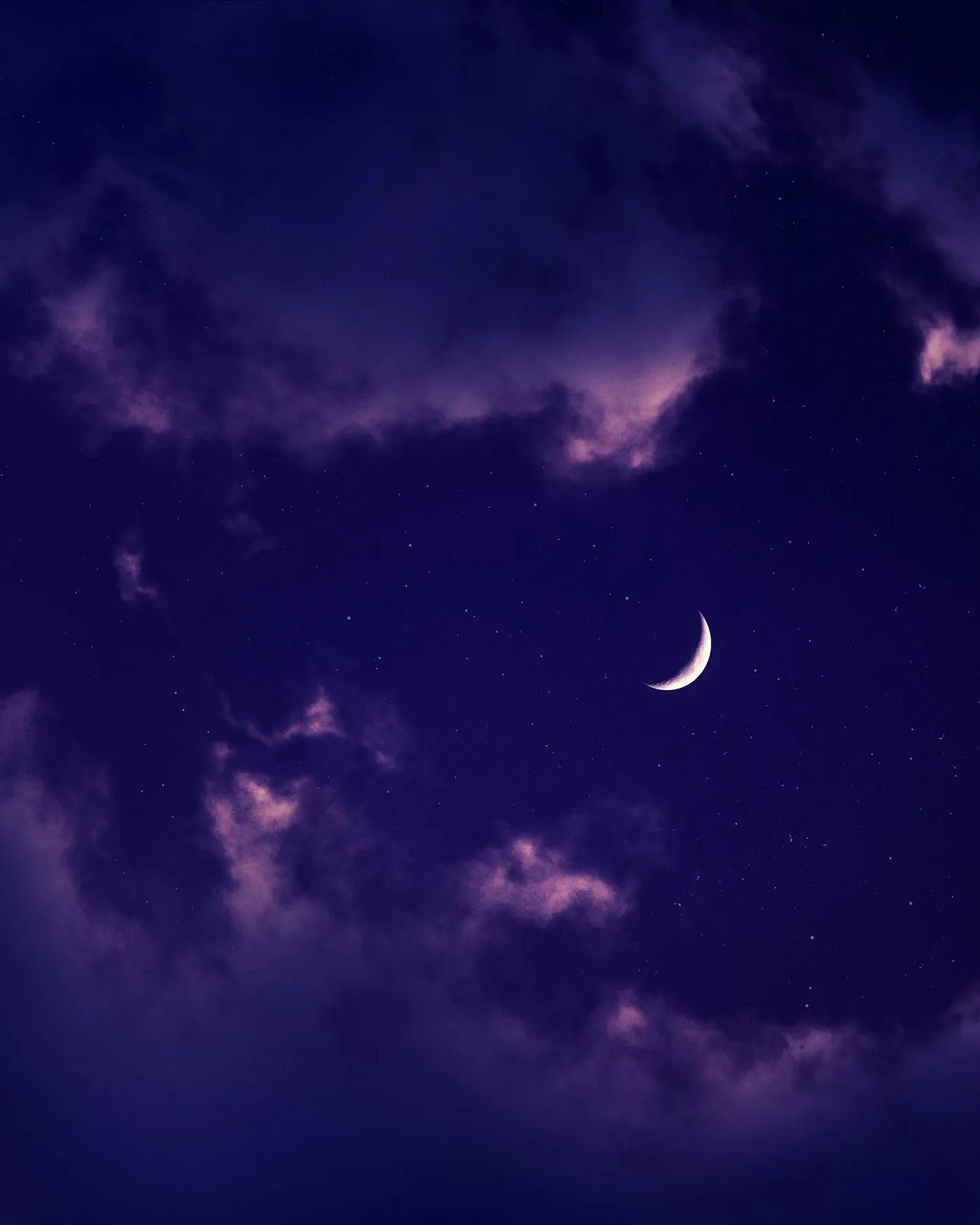
Short answer: the moon has phases because we see different amounts of its sunlit half as it orbits Earth. A full cycle takes about 29.5 days. The phase also tells you roughly when the moon will be up: a full moon rises around sunset, while a first-quarter moon is already high in the afternoon.
Why the moon changes shape
The sun always lights exactly half of the moon. What changes is our viewing angle.
- When the moon is between Earth and the sun, the lit side faces away from us. That's a new moon.
- When the moon is on the far side of Earth from the sun, we see the whole lit face. That's a full moon.
- Everything in between is a partial view.
A common myth is that Earth's shadow causes the phases. It doesn't — that only happens during a lunar eclipse.
The eight phases
| Phase | What you see | Roughly rises | Roughly sets |
|---|---|---|---|
| New moon | Nothing (or a faint disk) | Sunrise | Sunset |
| Waxing crescent | Thin sliver, growing | Mid-morning | Evening |
| First quarter | Half lit | Around noon | Around midnight |
| Waxing gibbous | More than half, growing | Afternoon | Before dawn |
| Full moon | Whole face lit | Around sunset | Around sunrise |
| Waning gibbous | More than half, shrinking | Evening | Morning |
| Last quarter | Half lit (other side) | Around midnight | Around noon |
| Waning crescent | Thin sliver, shrinking | Before dawn | Afternoon |
These times are approximate and shift with season and latitude, but the pattern holds.
Waxing vs. waning
Waxing means growing toward full. Waning means shrinking toward new. In the Northern Hemisphere, a waxing moon is lit on the right; a waning moon is lit on the left. In the Southern Hemisphere, it's the opposite.
Moonrise moves later every day
On average, the moon rises about 50 minutes later each day. The exact delay varies through the month and with the season, from around half an hour to more than an hour.
That's why the evening sky changes so quickly. A moon that rose at sunset tonight will rise in the middle of the evening a few days from now.
What this means for your evening
- Stargazing: the darkest skies come around the new moon, when there's no moonlight to wash out faint stars.
- Night walks and camping: a full or gibbous moon lights the landscape and casts real shadows.
- Seeing craters: the area near the line between light and dark, called the terminator, shows the most surface detail. Quarter phases are great for binoculars or a small telescope.
- Daytime moon: around first quarter, look for the moon in the afternoon sky.
Illumination: more than just the name
Phase names describe a range. The illumination percentage is more precise — the share of the moon's visible face that's lit. A "waxing gibbous" might be 60% or 95% lit, which makes a big difference to how bright the night is.
Seeing the moon on a dial
Solunex™'s lunar ring shows where the moon is and what shape it is, with moonrise and moonset marked across the day. Seen next to the solar ring, it's easy to tell whether the moon will share the sky with the sun, rise after sunset, or stay hidden all evening.