
Know tonight's moon
See the phase and when the moon rises and sets.
Category
For astronomy fans, teachers, students and families. Real data from the real sky, for your own town.
STEM
STEM · Astronomy & the moon
Solunex™ shows the moon's phase and position, moonrise and moonset, and the sun's daily and yearly cycle together — so you always know what tonight's sky will bring.
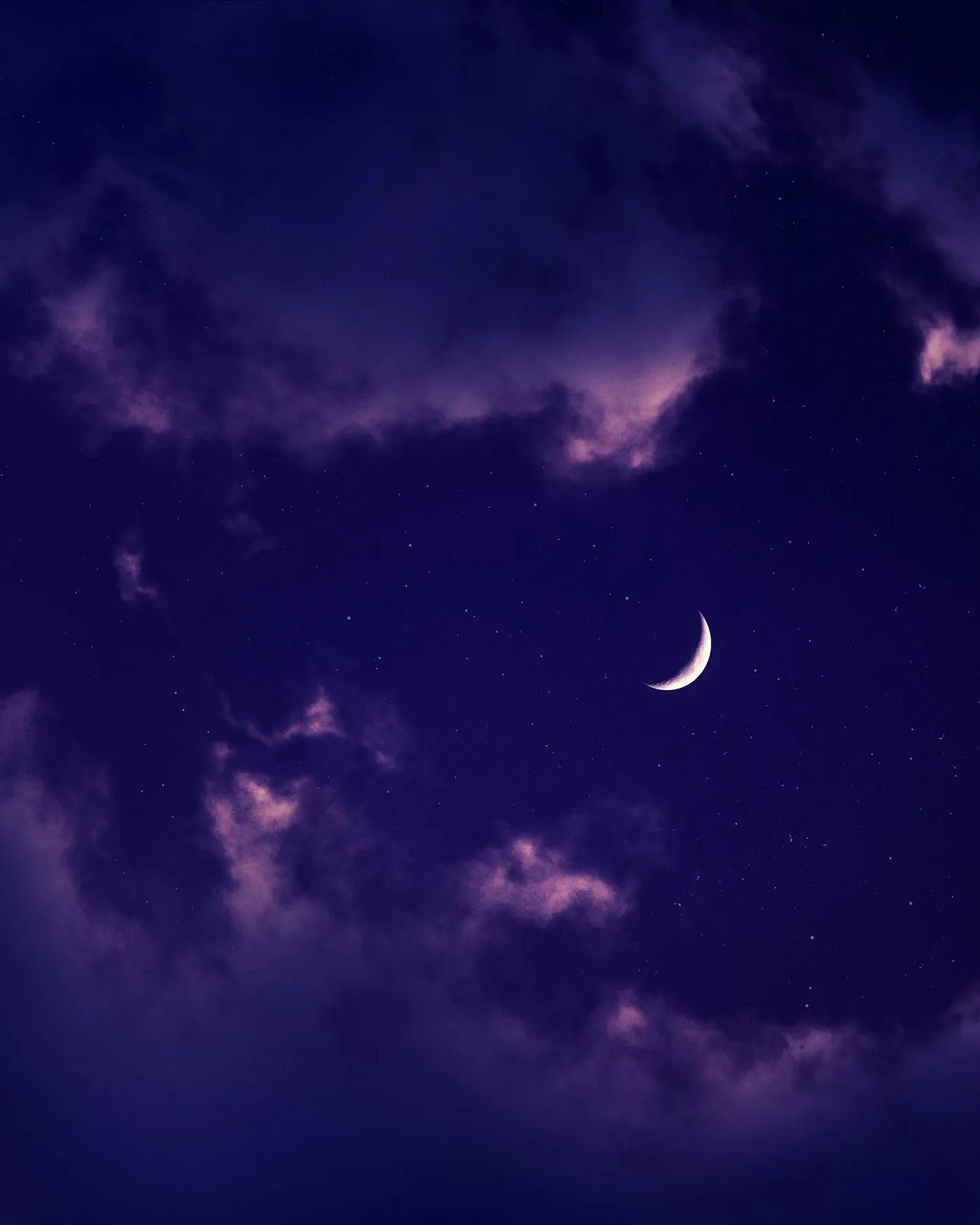
See the phase and when the moon rises and sets.
Spot nights when the moon is down after twilight.
Watch the daylight arc and solar noon shift through the year.
The year ring shows solstices, equinoxes and where today falls.
STEM · Classrooms & STEM learning
Solunex™ shows daylight, the moon and the seasons on one dial using your school's own location — a visual companion to lessons on Earth's place in the solar system.
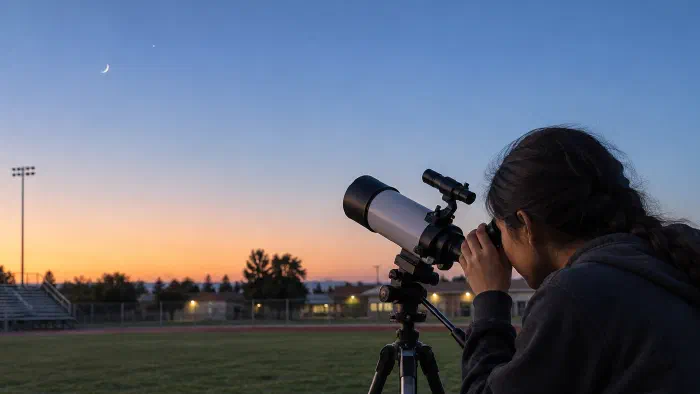
Put the solar ring on the classroom screen and connect it to the sunset log.
Switch locations to show how latitude and hemisphere change daylight.
Pair the lunar ring with a month-long moon journal.
Use the year ring to discuss solstices and equinoxes.
What Solunex™ shows
Yes. The lunar ring shows the moon's shape and position, plus moonrise and moonset.
No. Solunex™ focuses on the sun, the moon, the seasons and local conditions. It isn't a planetarium or star-chart app.
It can help you see when the moon is up or down relative to sunset and twilight. Check weather and cloud forecasts from an official source.
No. Solunex™ is a visual tool. Teachers use it alongside their own lessons and standards.
The web preview is free and needs no account, so it can be shown on a classroom screen.
Contact us about education and institutional interest and we'll share what's available.
Featured Stories
STEM teachers, students, and families
Classroom and home ideas for teaching seasons, daylight, solar noon, and moon phases visually — using real data from your own location.
Astronomy and nature enthusiasts
A simple guide to the eight moon phases, why the moon changes shape, and when it rises and sets in each phase — so you know what to expect tonight.
Nature lovers, travelers, and educators
Sunrise and sunset change through the year because Earth's axis is tilted about 23.4°. Here's how tilt, latitude, and the equation of time shape your daylight.
Start with the free guest preview, or unlock the full preview with your name and a verified email.